
Understanding Your Options for Restoring a Damaged Tooth
When a tooth becomes weak or damaged, it can affect more than just your smile. It can make eating uncomfortable and even lead to more serious dental problems if left untreated. One common solution your dentist may recommend is a dental crowns treatment, which helps protect and restore the tooth.
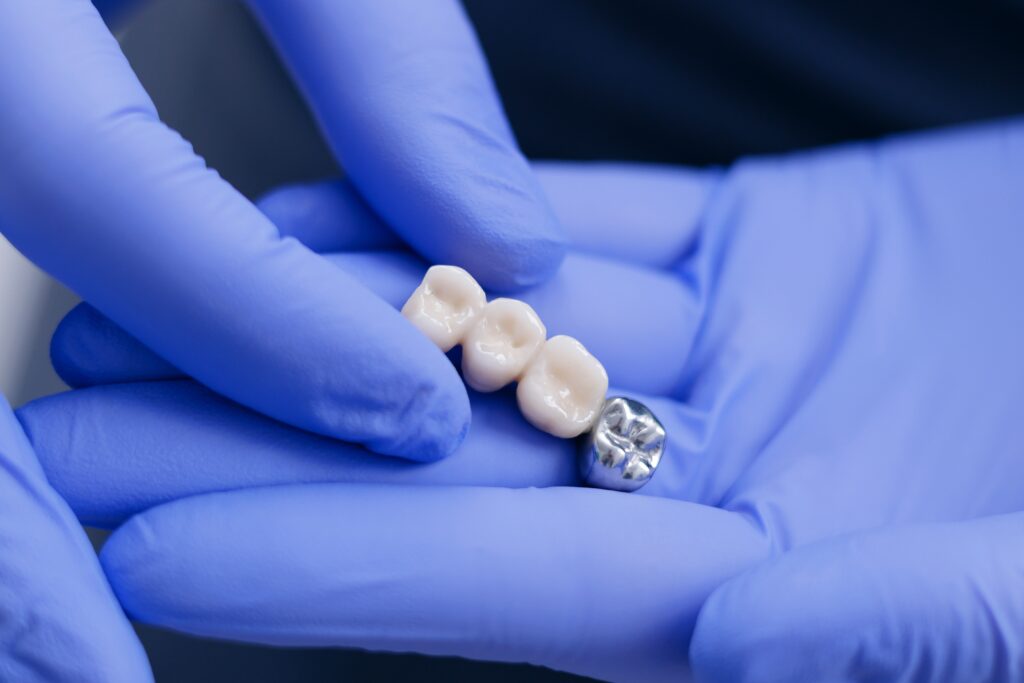
A restoration like this acts as a protective cap that covers the entire tooth. It is designed to bring back the tooth’s strength, shape, and natural appearance. Many people need this type of treatment after a large cavity, a crack, or a root canal procedure. It is also used when a tooth is worn down over time.
If you’ve been told you may need dental crowns, it’s helpful to understand why. When a tooth is too damaged for a simple filling, this option provides long-term protection. It prevents further breakage and allows you to use your tooth normally again.
The process is straightforward. First, the tooth is carefully shaped so the cap can fit securely. Then, a custom-made restoration is placed on top. The result looks natural and blends in with your other teeth. Most patients are surprised at how comfortable and seamless it feels.
Many patients explore their options for restorative dental treatments when dealing with damaged teeth. These solutions are designed to improve both function and appearance while helping you avoid more complex procedures later.
Another benefit is durability. With proper care, this type of restoration can last many years. Regular brushing, flossing, and dental visits will help maintain its strength and appearance.
If you are experiencing tooth sensitivity, pain when chewing, or visible damage, it may be time to consider dental crowns as a solution. Addressing the issue early can prevent more extensive dental work in the future.
Taking care of your oral health means addressing problems before they worsen. A personalized treatment plan from your dentist will ensure you get the right solution for your needs.
Disclaimer: This blog is for informational purposes only and should not be considered medical advice. Please consult with a qualified dental professional for personalized care.
