
When Is a Dental Crown Needed? Signs and Treatment Options
A cracked, weakened, or heavily restored tooth can make everyday activities like chewing uncomfortable. In some cases, a filling may no longer provide enough support. A dental crown can cover and protect the visible portion of the tooth while restoring its shape and function.
Understanding when crowns are recommended can help patients feel more prepared when discussing treatment with a dentist.
What Is a Dental Crown?
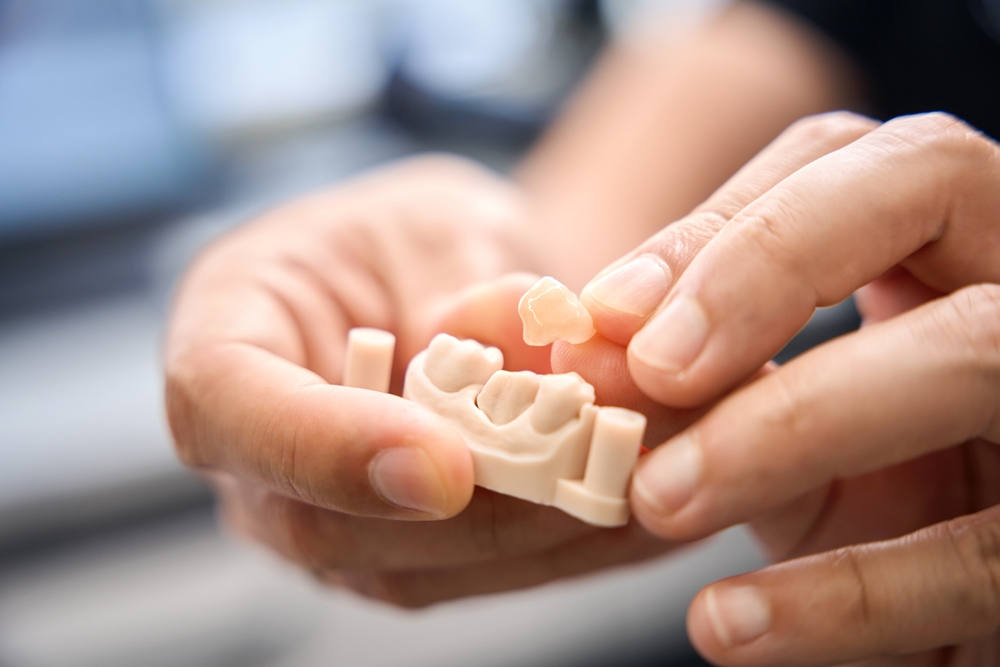
A dental crown is a custom-made restoration placed over a natural tooth. It acts like a protective cap and is designed to match the size, shape, and appearance of surrounding teeth. Crowns may be made from several materials, including tooth-colored options that blend naturally with a smile.
The purpose of a crown is not only cosmetic. It can strengthen a tooth that has lost part of its original structure and create a stable surface for biting and chewing.
Common Reasons a Dentist May Recommend a Crown
A crown may be considered when a tooth is cracked, broken, severely worn, or weakened by a large filling. It is also commonly used after root canal treatment because the treated tooth may need added protection.
In other situations, a crown can restore a tooth with significant decay or improve the appearance of a misshapen or deeply discolored tooth.
Not every damaged tooth needs a crown. The right treatment depends on how much healthy structure remains, the location of the tooth, the condition of the bite, and the patient’s overall oral health. A dental examination and X-rays can help determine whether a filling, crown, or another treatment is appropriate.
What to Expect During Crown Treatment
Crown treatment typically begins with an evaluation and preparation of the affected tooth. The dentist removes damaged or decayed material and shapes the tooth so the restoration can fit securely. An impression or digital scan is then used to create a crown designed for that specific tooth.
Depending on the treatment process, a temporary crown may protect the tooth while the final restoration is prepared. At the final visit, the fit, bite, and appearance are checked before the crown is secured.
Mild sensitivity can occur afterward, but patients should contact the dental office if discomfort continues or the bite feels uneven.
Caring for a Dental Crown
A crown still requires regular brushing, flossing, and professional cleanings. Although the crown itself cannot develop decay, the natural tooth beneath it remains vulnerable near the gumline.
Avoiding habits such as chewing ice or using teeth to open packages may also help protect the restoration.
Saxon Dentistry provides personalized evaluations for damaged or weakened teeth in Oklahoma City. Schedule an appointment to learn whether a dental crown or another restorative option may be appropriate.
